Wealth management begins long before selecting an investment
Behind every wealth portfolio lie goals, decisions, and years of effort. We analyze why a robust wealth strategy begins long before selecting a financial product.
Estate planning involves organizing a person’s or family’s assets, debts, and goals to determine what resources they have, what they need, and what risks they can take on. Choosing an investment is one of the decisions that can be part of that process.
When people talk about wealth, many immediately think of investments: funds, equities, real estate, financial products, or expected returns. This is understandable. Over the years, the financial industry has often limited itself to answering a single question: where should you invest your money?
However, before deciding where to invest, it is essential to understand the purpose behind building, protecting, or growing that wealth. Planning for retirement is not the same as preparing a family estate succession, funding an entrepreneurial venture, protecting your children, or preserving capital generated through years of hard work.
That is why wealth management must begin with a strategy, not a product.
Wealth is more than just an investment portfolio
Investments are a component of wealth, but they do not define it in its entirety. An estate may comprise savings, real estate, business interests, insurance policies, liquidity, debt, earning capacity, and future ventures. Each of these elements serves a specific purpose and must be evaluated through a holistic lens.
Isolated decisions are often made without considering how they fit into the bigger picture. An investment may appear attractive in terms of return, yet prove entirely unsuitable for an individual if it fails to align with their specific objectives, time horizon, risk tolerance, or liquidity requirements.
Sound wealth management means coordinating all these variables so that financial decisions operate in cohesive harmony.
The importance of a strategic roadmap
Against a backdrop of continually shifting interest rates, inflation, financial markets, and tax regulations, unguided decision-making can lead to reactive choices. A news headline, an isolated recommendation, or a seemingly compelling opportunity can distort critical decisions in the absence of a structured strategy.
A strategic roadmap provides the necessary perspective to define objectives, prioritize requirements, measure risks, and assign a clear function to each asset class. It also enables scenario planning, anticipating what happens if income fluctuates, liquidity needs arise, an asset is divested, succession planning begins, or a business opportunity emerges.
Return, risk, and peace of mind
Pursuing returns is legitimate, but it should not be the sole objective. In wealth management, safeguarding and properly structuring capital is just as vital as growing it, preventing decisions that could compromise the future.
Frequently, the most critical decisions are not the most conspicuous. Maintaining adequate liquidity, diversifying methodically, optimizing tax efficiency, structuring debt, or planning estate transfers can decisively influence the financial stability of an individual, a family, or an enterprise.
The true value lies in striking the optimal balance between growth, security, and peace of mind.
Expert advisory for key decisions
The volume of accessible financial information has never been greater. Yet, more information does not automatically yield better decisions. In many cases, an overload of data, varying opinions, and contradictory commentary simply generates confusion.
That is why having a professional perspective can provide clarity. It is not just a matter of analyzing alternatives, but of understanding the client’s full situation, setting priorities, and guiding them through decisions that may have consequences for years to come.
Effective wealth management demands technical expertise combined with close collaboration, prudence, and active listening—because behind every estate lies a unique narrative, defined objectives, and a distinct perspective on the future.
Decisions that build the future
Wealth is not built overnight. It is the culmination of years of work, discipline, savings, and cumulative decisions. Consequently, managing it effectively requires time, methodology, and a long-term horizon.
Investing may be part of the journey, but it is not the destination. The decisive factor lies in identifying what you aim to accomplish, what risks you can absorb, and which decisions are most appropriate at each stage.
At SR Financial, we work with individuals, families, and businesses to help them plan their finances from a comprehensive perspective tailored to each situation. Our goal is to help them make financial decisions with clarity, sound judgment, and a forward-looking approach.
Because managing wealth means protecting what has been built and preparing for what lies ahead—not just choosing investments.
In the media
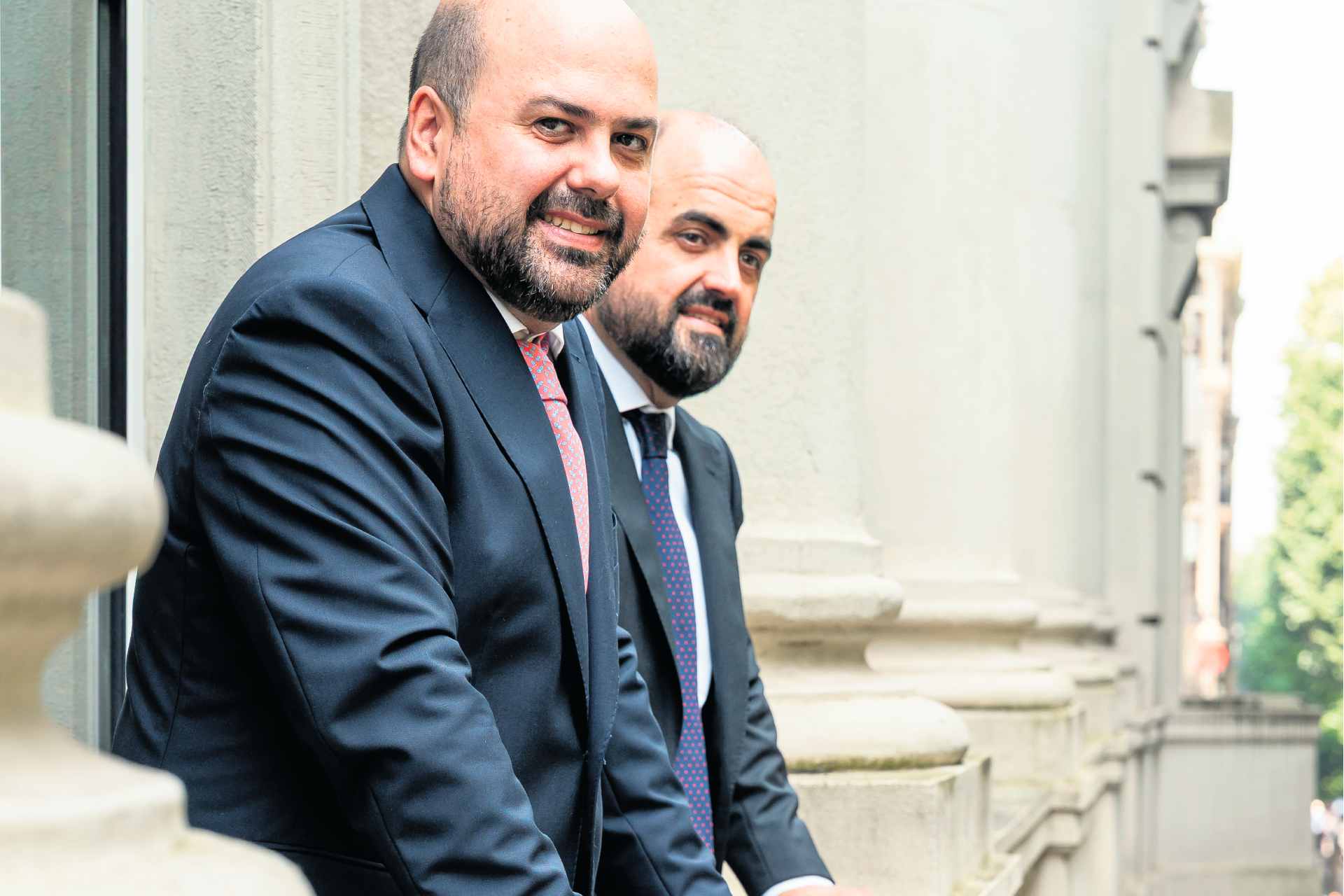
Recently, the team at SR Financial was interviewed by El Correo to discuss financial planning, wealth management, and the vital role of long-term strategic decision-making.
Read the full interview:
Managing Wealth with the Experts at SR Financial (El Correo)
Questions About Estate Planning
What information should you gather before investing?
Income, expenses, debts, available assets, goals, and timeframes. Also, liquidity needs and the loss that could be absorbed without compromising planned expenses.
Is estate planning the same as managing a portfolio?
No. Planning takes into account the overall economic situation. Portfolio management is a specific investment service: before signing up for it, you should check who is providing it, their licenses, costs, and scope.
Does planning eliminate the risk of losing money?
No. It helps you make informed decisions, but investments still carry risks. The terms and costs should be reviewed for each product and situation.
Information for verification
General educational content. This does not constitute a personalized investment recommendation. Editorial update: November 10, 2026.