
The economy is much more than just money. It involves decisions, incentives, scarcity, and costs that are often not immediately apparent. Understanding this completely changes the way we interpret economic reality.

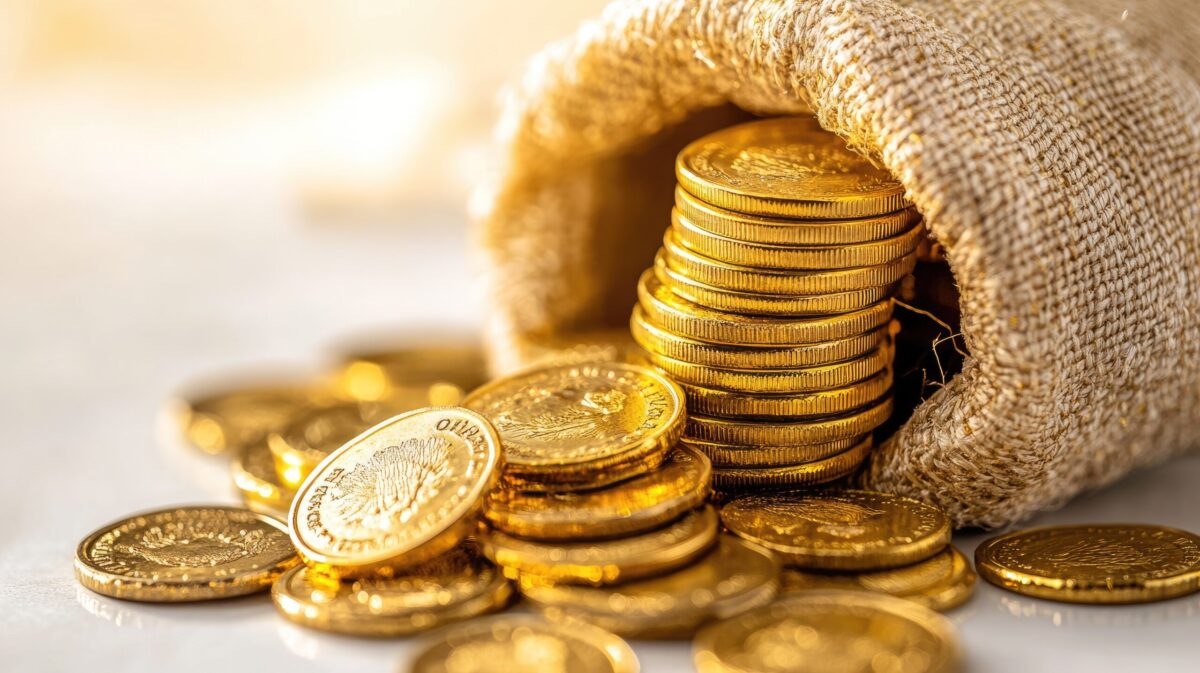
What to do with money that's just sitting there so it doesn't lose value
If liquidity does not serve a clear purpose, it becomes a passive decision that comes at a cost. Understanding its role within a strategy is the key to avoiding mistakes.
The hidden concentration behind many funds and ETFs
Many funds, ETFs, and indices appear to offer different exposures, but in practice, a significant portion of them still rely on the same core group of companies.
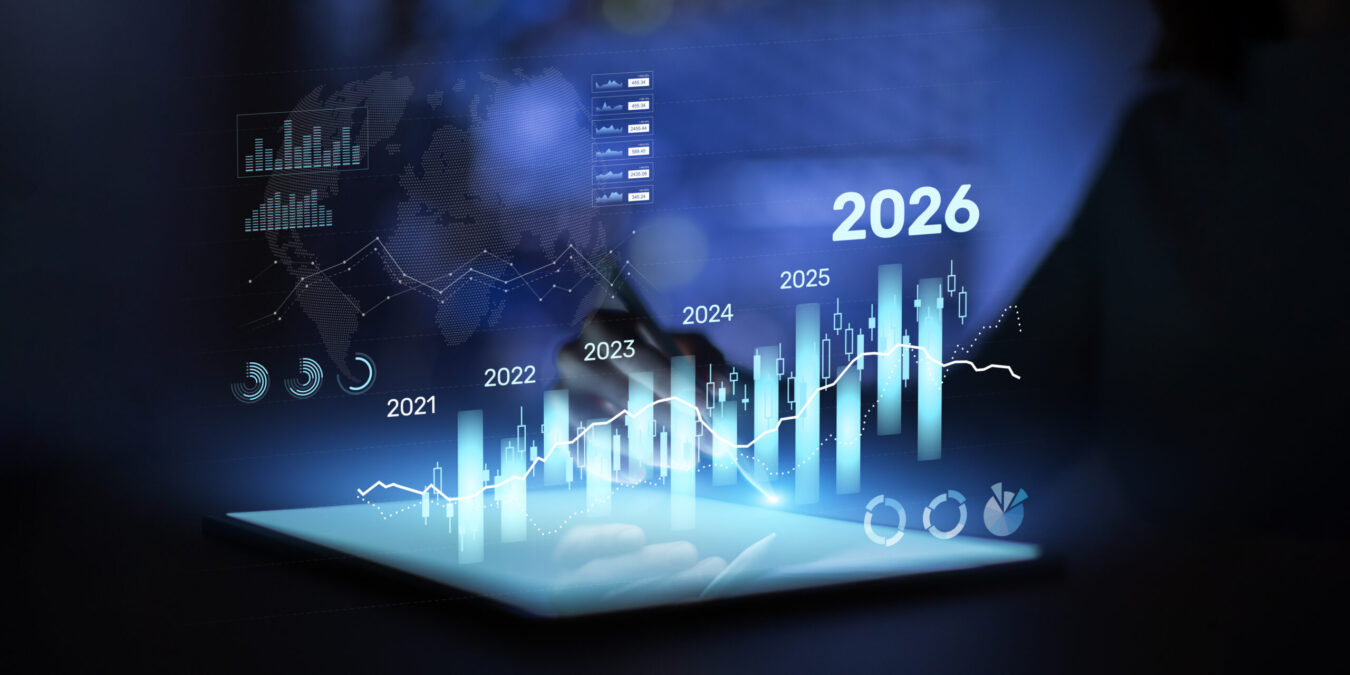
Where Is Capital Headed in 2026, and What Does That Mean for Your Wealth?
The behavior of capital has changed significantly in recent years, and investment flows no longer follow the same patterns as in the past. Understanding where money is flowing and how financial decisions are being made has become essential for both businesses and wealth management.
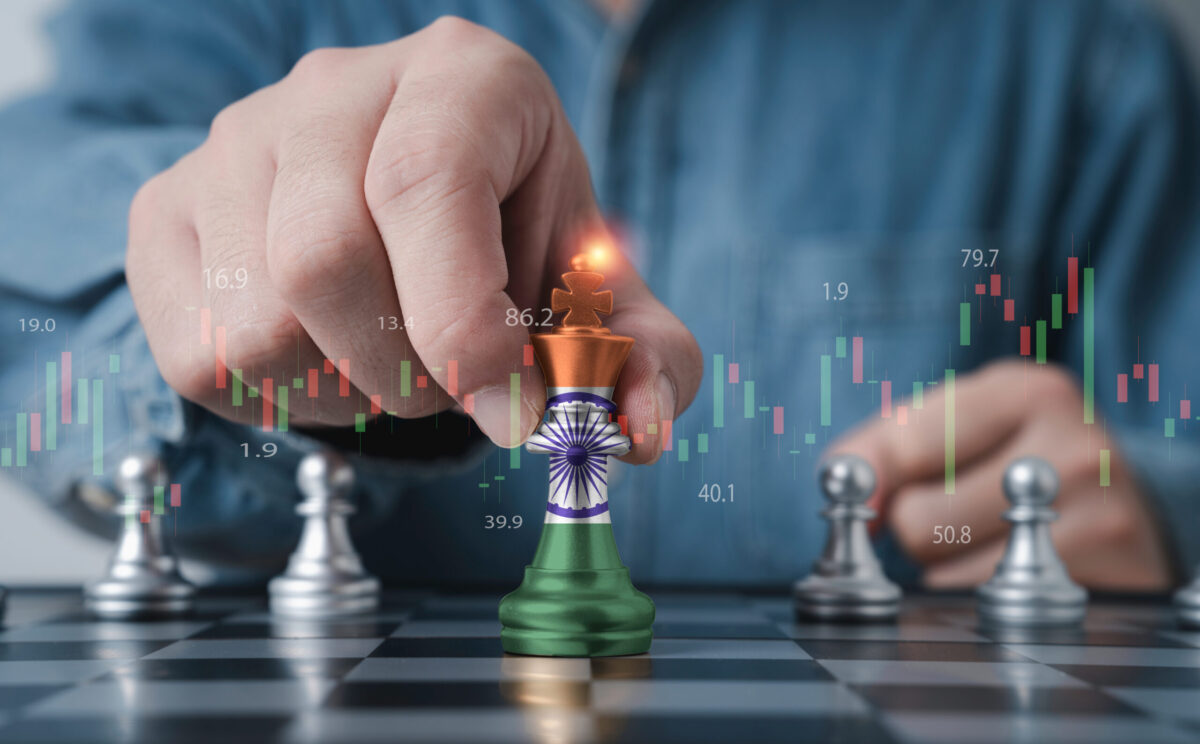
India and Interest Rates: What the Central Bank's Decision Means for the Global Economy
At the start of the year, taking stock of your current situation, your goals, and the level of risk you can tolerate is the first step toward achieving peace of mind.
Geographic Diversification: When Diversification Is More Than Just a Theory
Geographic diversification becomes relevant again when economic cycles are no longer in sync.
International Capital Flows: Stability, Risk, and Geographic Reallocation
Capital flows prioritize predictability and consistency over immediate returns.
The United States and Europe: Two Monetary Policies Shaped by Different Constraints
The United States and Europe share a limited scope for monetary policy, which influences their decisions.
Global Monetary Policy: Why Central Banks No Longer Act in Unison
The central bank framework is no longer valid and requires a rethinking of global macroeconomic analysis.
Start the Year with Financial Clarity: What to Review Before Making Decisions
At the start of the year, taking stock of your current situation, your goals, and the level of risk you can tolerate is the first step toward achieving peace of mind.